What to Eat in Dalmatia: 12 Dishes from Zadar to Dubrovnik
A practical guide to Dalmatian food: peka, pašticada, black risotto, brudet and gregada, Ston oysters, soparnik and island dishes, with Plavac Mali, Pošip and Babić wine. How fish by the kilo works and what a meal costs in 2026.
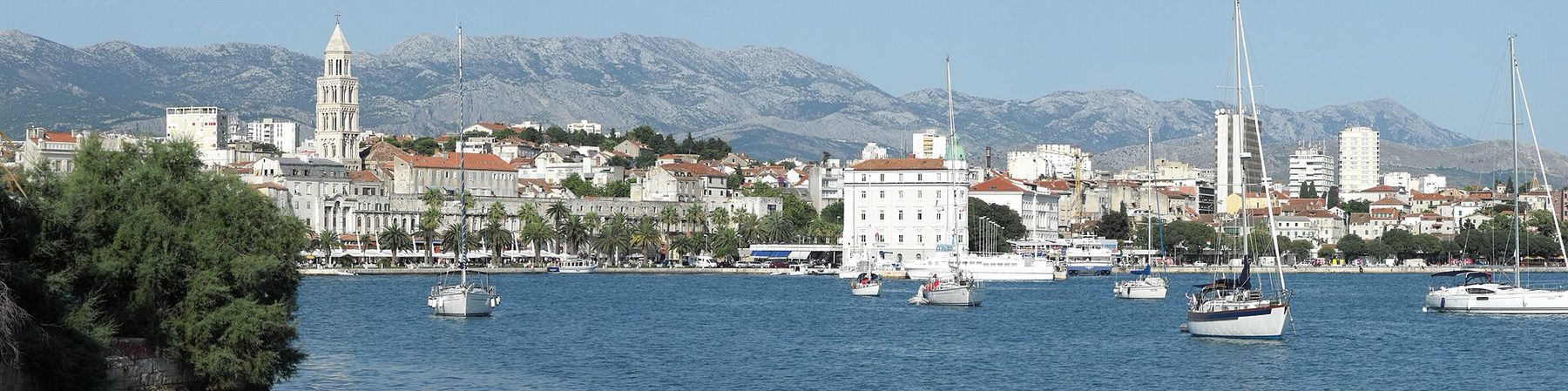
What to eat in Dalmatia? Grilled fish with chard and potatoes, black risotto, fish stew, slow-cooked meals from under the peka bell and pašticada with gnocchi, plus cured ham, Pag cheese and oysters from Mali Ston. Whole fish is priced by the kilo, peka has to be ordered ahead, and the wine is Plavac Mali, Pošip or Babić.
What to eat in Dalmatia: the short answer
Dalmatian food rests on three things: fresh fish, olive oil and slow cooking. A coastal tavern (konoba) and one inland serve different menus. By the sea you eat grilled fish, brudet, buzara and black risotto; inland it is lamb, cured ham and meals baked under the peka. Dalmatia also has more EU-protected products than any other Croatian region: Dalmatian pršut, Pag cheese, Pag and Dalmatian lamb, Poljica soparnik, Mali Ston oysters and Neretva mandarins. The list below runs from Zadar to Dubrovnik and explains what each dish is, where it is typically eaten and roughly what it costs in 2026.
Fish by the kilo: how to read a Dalmatian menu
The first thing that confuses visitors: whole fish on the menu has no price per portion, only a price per kilogram. "Class I" usually covers gilthead bream (orada), sea bass (brancin), dentex (zubatac) and scorpionfish (škarpina); "Class II" is the cheaper species. The waiter shows you the fish, weighs it and only then cooks it, so ask two things first: the weight and the total price. Oily fish (sardines, mackerel, anchovies) is the cheapest and usually priced per portion. The same goes for squid, octopus and shellfish. Fish almost always comes with blitva s krumpirom, chard with potatoes, so there is no need to order potatoes separately. More on prices town by town in our article on restaurant prices in Croatia 2026.
12 Dalmatian dishes from Zadar to Dubrovnik
1. Dalmatian pršut and Pag cheese
Every Dalmatian meal starts with cured ham. Dalmatinski pršut holds an EU protected geographical indication: the pork leg is salted, lightly smoked and dried in the bura wind, then aged for at least 12 months. The smoke is what sets it apart from the Istrian kind. It is served with paški sir, a hard sheep's cheese from the island of Pag with a protected designation of origin since 2019, made from the milk of Pag sheep that graze on sage and other wild herbs. Both are sliced thin by hand and served with olives.
2. Ston oysters
Malostonska kamenica is the European flat oyster (Ostrea edulis) from Mali Ston Bay, the first Croatian seafood product with an EU protected designation of origin, registered in October 2020. The bay has been a nature reserve since 1983 and oyster farming in Bistrina cove is recorded as far back as Roman times. They are eaten raw with lemon in the taverns along the road between Ston and Mali Ston. Spring is the best season; in March, around St Joseph's Day, Mali Ston holds its oyster festival.
3. Buzara
Buzara is a method rather than a dish: shellfish, scampi or mussels are briefly cooked in olive oil, garlic, parsley and white wine, sometimes with breadcrumbs and tomato (red buzara). It comes in a deep bowl and the bread is for the sauce. Menus list škampi na buzaru and dagnje na buzaru; scampi cost far more because they are charged by the kilo.
4. Black risotto
Crni rižot is a risotto of cuttlefish or squid, black from the ink added at the end of cooking. It is on nearly every menu and is among the cheaper seafood dishes. It stains teeth and lips, so order a glass of water with it.
5. Grilled fish with chard
The simplest and most common Dalmatian dish: a whole fish grilled over embers (na gradele), dressed with olive oil, garlic and parsley. Alongside comes blitva s krumpirom, boiled chard mashed with potatoes and olive oil. The fish is priced by the kilo as described above. Ask for the day's catch and ask which species it is; bream and bass are often farmed and cheaper than wild dentex or scorpionfish.
6. Brudet and gregada
Brudet is a fish stew: several kinds of fish cooked in one pot with onion, tomato, wine or vinegar, served with polenta. The best is made from scorpionfish, conger and monkfish. Gregada is the Hvar version without tomato: white fish and sliced potatoes are layered in a pot with onion, garlic and olive oil and cooked slowly; the pot is never stirred, only shaken. Its origin is attributed to Greek settlers.
7. Neretva brudet
The Neretva valley, between Makarska and Dubrovnik, has a cuisine of its own. Neretvanski brudet is made from eel and frogs, is spicier than the sea version and is eaten with polenta. You find it in taverns in Metković, Opuzen and around the Baćina lakes, best in spring and autumn. The same valley grows the Neretva mandarin, another product with a protected designation of origin, harvested from September to November.
8. Octopus
Hobotnica is eaten three ways in Dalmatia: cold in a salad with onion, capers and vinegar, as a stew, or baked ispod peke with potatoes. Octopus salad is the most common starter on the coast. Octopus under the bell has to be ordered in advance, like any peka.
9. Peka
A peka is a metal bell placed over a shallow pan on the hearth, with embers heaped on top. Lamb, veal, octopus or bread are baked under it, always with potatoes and vegetables, for two to three hours. That is why almost every tavern asks you to order peka a day or at least several hours ahead; it is priced per person or per kilo, usually for a minimum of two people.
10. Pašticada with gnocchi
Pašticada is Dalmatia's celebration dish: a beef round studded with garlic, pancetta and cloves is marinated for 12 hours or more in wine and vinegar, then braised for hours with onion, carrot, prunes, red wine and sweet prošek. The sauce is sweet and sour, thick and dark. It is served with homemade gnocchi (njoki). At home it is cooked for weddings and holidays; in restaurants it is often a Sunday dish or one to order ahead.
11. Lamb
The Dalmatian hinterland and islands live off sheep, so spit-roasted lamb or lamb from under the peka is the dish for Sundays and guests. Pag lamb and Dalmatian lamb both hold an EU protected designation of origin. On the roads towards Zadar and Šibenik, and around Sinj, roadside restaurants with a spit sell lamb by the kilo with spring onions and potatoes. The season is best from Easter to summer.
12. Soparnik
Poljički soparnik is a thin pie of two layers of unleavened dough filled with chard and onion, baked on the hearth under embers and brushed with olive oil and garlic. It comes from Poljica, the area between Split and Omiš bounded by the Cetina river, the Žrnovnica and the sea. It has held an EU protected geographical indication since 2016 and its preparation is listed as intangible cultural heritage of Croatia. It is cut into diamonds and eaten by hand, and is also sold at Split's market.
Island dishes and a sweet finish: Vis, Korčula, Dubrovnik
Vis and Komiža pogača
Viška pogača is a savoury bread-dough flatbread filled with salted sardines and onion, born on Vis as fishermen's food. Komiža, the island's other town, has its own komiška pogača with tomato added. It is baked in the island's bakeries and taverns and eaten cold, often as a snack with Plavac or vugava, a white wine grown only on Vis. The island also produces komiški rogač, a carob product with a protected geographical indication.
Žrnovski makaruni
Žrnovski makaruni is hand-rolled pasta from the village of Žrnovo near Korčula town: the dough is wound around a thin stick and served with a thick beef sauce. In early August the village holds its Makarunada festival. Korčula is also the island of Pošip and Grk wines and of Korčula olive oil, which has a protected designation of origin. Where to try them is covered in our guide to the best restaurants on Korčula.
Rožata
To finish, rožata, a Dubrovnik custard of eggs, milk and sugar with caramel, recognisable by the scent of rozalin, a rose-petal liqueur. In Dubrovnik it is spelled "rozata", elsewhere in Dalmatia "rožata". Almost every tavern from Split to Dubrovnik serves it, alongside fritule and kroštule, fried festive pastries.
Dalmatian wine: Plavac Mali, Pošip and Babić
Plavac Mali is Dalmatia's main red grape, a cross of Crljenak Kaštelanski (Zinfandel) and Dobričić. The best-known sites are Dingač and Postup on the Pelješac peninsula, and it also grows on Hvar, Brač and Vis. The wines are strong, often 13 % and above, tannic, and go best with pašticada, lamb and peka. Pošip is a white grape from Korčula, from Čara and Smokvica, tasting of apricot and citrus; drink it with fish, shellfish and Pag cheese. Babić grows on the stone terraces around Primošten and Šibenik and makes a dark, full red. With fish, taverns also serve bevanda, wine mixed with water, and with dessert prošek. House wine by the litre is the cheapest choice.
How much does a meal cost in Dalmatia in 2026?
According to Numbeo, September 2026, a meal in an inexpensive restaurant in Split costs about €15 (range €10–22) and a three-course dinner for two at a mid-range restaurant €66 (€50–80). In Zadar the cheap meal is about €13, in Dubrovnik about €17.50, and dinner for two in both towns around €70. A draught beer in Split is about €4.25, a coffee €2.50. Fish by the kilo and scampi drive the bill; dinner with a whole fish often costs twice as much as one with risotto and brudet. Prices are higher on the coast than inland. Tipping is not compulsory; how much to leave and whether you can pay by card is explained in our article on tipping and paying in Croatia.
Where to eat: our town guides
For Pag cheese, fish and tuna from the Zadar islands see the best restaurants in Zadar and restaurants in Biograd na Moru. Babić and shellfish from the Šibenik channel are served by restaurants in Šibenik and taverns in Vodice. For pašticada, soparnik and fish from Kaštela Bay use our guides to the top 10 restaurants in Split and the best restaurants in Trogir. For peka and hinterland cooking head to the taverns in Omiš, and for fish below the Biokovo mountain to the restaurants in Makarska. Oysters, rožata and Pelješac wine are covered in the top 10 restaurants in Dubrovnik. If you would rather cook, our recipes include pašticada, brudet and soparnik.
Frequently asked questions
What is the most famous Dalmatian dish?
Pašticada with gnocchi for celebrations and grilled fish with chard for everyday meals. Visitors most often ask for peka and black risotto. In the south it is Ston oysters, and on the islands gregada on Hvar and žrnovski makaruni on Korčula.
How much does fish per kilo cost in Dalmatia?
It depends on the species, class and town, which is why the price is written per kilogram and the fish is weighed in front of you. Ask for the weight and the total before it is cooked. Farmed fish, oily fish, squid and risottos are much cheaper choices than wild white fish.
Do I have to order peka in advance?
Yes, almost always. A peka meal bakes for two to three hours, so taverns ask for the order a day ahead or at least several hours earlier, usually for a minimum of two people. When you book a table, say straight away that you want peka and for how many people.
What to eat in Dalmatia if I do not eat fish?
Pašticada, spit-roasted lamb or lamb under the peka, cured ham with cheese and soparnik contain no fish. On Korčula there is žrnovski makaruni with beef sauce, inland arambaši and peka dishes. Vegetarians do well with chard, soparnik, vegetable risottos and cheeses.
Which wine goes with Dalmatian food?
With fish and shellfish, Pošip from Korčula or a white house wine; with pašticada, lamb and peka, Plavac Mali from Pelješac or Babić from Primošten. With fish, taverns also serve bevanda, wine diluted with water. Rožata and fritule go with sweet prošek.
Dalmatian food is simple and asks only two things of a guest: ask how much the fish weighs and order the peka in time. The town guides above show where to order it.