What to Eat in Istria: 12 Dishes and Where to Order Them
A practical guide to Istrian food: fuži, truffles, maneštra, Istrian prosciutto, boškarin beef, shellfish, olive oil and wine. Seasons month by month, 2026 menu prices and the difference between a konoba, an agroturizam and a restaurant.
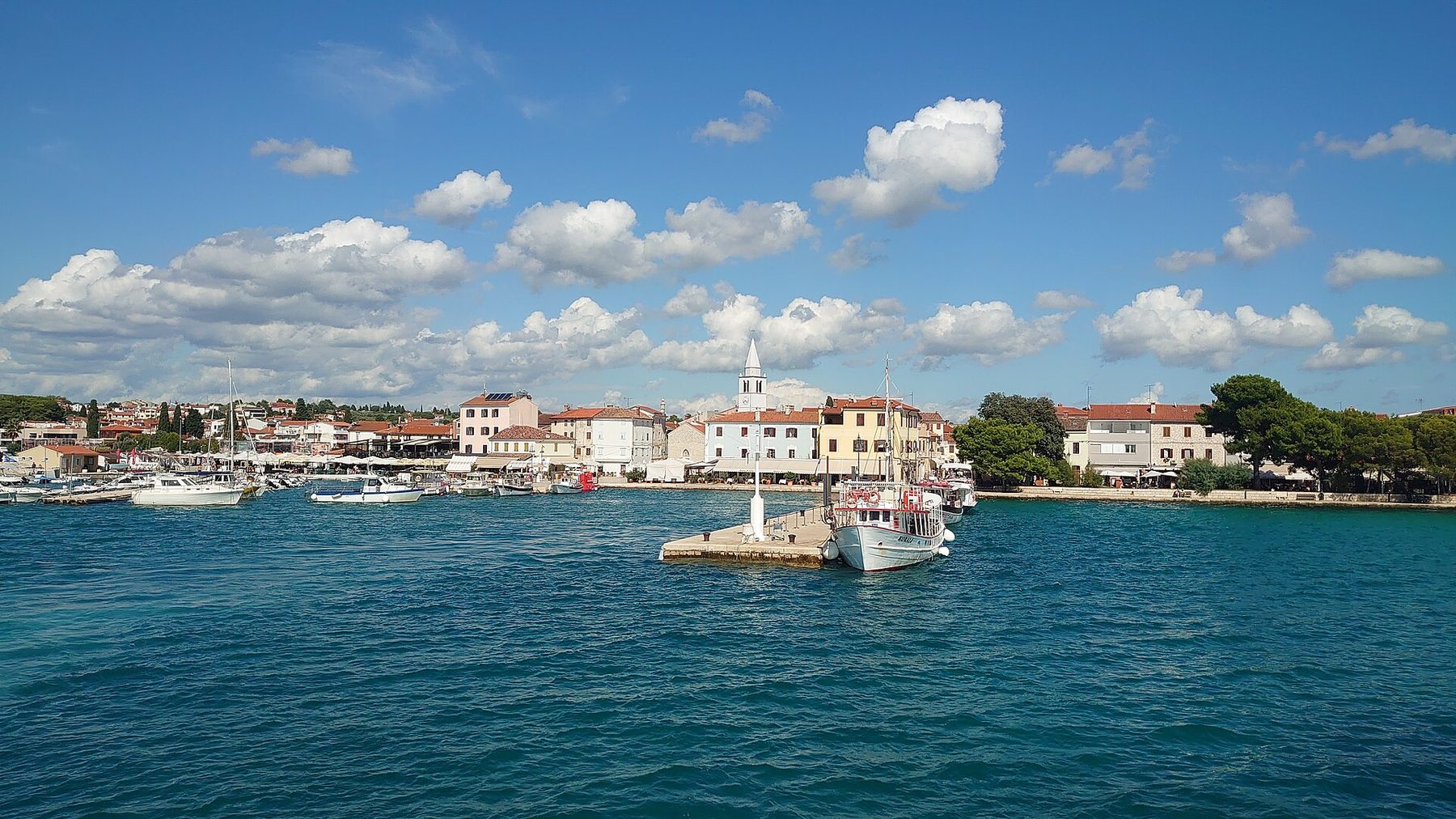
What to eat in Istria? Inland, order fuži pasta with meat sauce or truffles, maneštra soup, Istrian prosciutto and boškarin beef; on the coast, oysters from the Lim Bay, Novigrad scallops and sardines from Fažana. With everything comes olive oil from Vodnjan and a glass of Malvazija or Teran. Here are 12 dishes of Istrian food, each with an explanation, its season and the price that konoba menus show in 2026.
Istrian food from the interior: pasta, truffles and spoon dishes
Fuži and pljukanci
Fuži are the best-known Istrian pasta. Small squares of flour, egg and water dough are rolled into little tubes 3–5 cm long. Pljukanci (in some villages žbirići) are spindle-shaped rolls twisted off a wooden board by hand. Both usually come with žgvacet, a thick stew of chicken, beef or game, and in season with truffles or asparagus. You can order them anywhere from Buzet to Medulin. According to the menus of two inland konobas, fuži with meat sauce cost around €15 and with shaved truffle €24–28 (2026).
Truffles
Istrian truffles grow in the triangle between Pazin, Buje and Buzet, above all in the Mirna valley and the Motovun forest. The white truffle (Tuber magnatum) runs from September to January, peaking in October and November. It is never cooked; it is shaved fresh over hot dishes. Black truffles cover the rest of the year: the summer truffle from May to August, the winter truffle from December to March. A kilogram of white truffle costs €2,000–4,500, which is why a plate of fuži with white truffle is noticeably dearer than with black. The centres are Livade, where the Zigante Truffle Days run from mid-September to the end of November, Motovun and Buzet, which has called itself the town of truffles since 1999. That same year, on 2 November, Giancarlo Zigante dug up a 1.31 kg white truffle near Livade, entered in the Guinness Book of Records.
Maneštra
Maneštra is a thick soup of potatoes and beans with cured meat and seasonal vegetables, once the main dish on the Istrian table. The key is pešt, a chopped paste of pancetta, garlic and parsley that goes into the pot at the start. In summer people ask for maneštra od bobići (with young sweetcorn), in winter for jota with sauerkraut or sour turnip, and in between for versions with barley or chickpeas. In inland konobas a bowl costs €8, with sausage about €13 (2026).
Istrian supa
Supa is a winter drink from a clay jug called a bukaleta: warmed Teran with olive oil, sugar and pepper, into which you dip bread toasted on the grill. It once warmed farm workers on cold evenings and was given to the sick to recover. Today it is served in inland konobas from autumn to spring, and the jug is passed around the table from hand to hand.
Prosciutto, boškarin and ombolo: the meat side of Istrian cuisine
Istrian prosciutto (PDO)
Istrian prosciutto (istarski pršut) has held a European Union protected designation of origin since 2015. What sets it apart from the Dalmatian kind is that the leg is cured without skin and without smoke. It is dry-salted with coarse sea salt, seasoned with pepper, bay leaf, rosemary and garlic and dried in the bura wind; for legs over 16 kg, salting and ageing take at least 15 months. It is served thinly sliced as a starter, most often with sheep's cheese and olives. On a konoba menu, 100 g of home-cured prosciutto costs around €16 (2026).
Boškarin
Boškarin is the long-horned Istrian ox. In the 1960s there were around 60,000 on the peninsula; by the early 1990s only a handful of purebred animals remained. The breed was saved and is now raised for the table. The meat is stewed as a sauce for fuži or gnocchi, sliced as carpaccio, served as tartare or made into pâté. Places serving certified Istrian ox meat display a plaque with the boškarin's head; according to the Istria Tourist Board there are more than 30 of them, from konobas around Pazin to restaurants in Pula.
Ombolo and Istrian sausages
Ombolo is boneless pork loin rubbed with salt, pepper and chopped bay leaf and dried for two to three weeks. Istrian sausages mature for about fifteen days; the filling includes a wine broth with garlic, bay and rosemary. The winter classic of every konoba is ombolo and sausages with sauerkraut, sometimes with polenta. A plate costs €16–20 (2026), and dried ombolo as a cold starter about €10 per 100 g.
Seasonal and from the sea: asparagus, shellfish and sweets
Wild asparagus
Wild asparagus is picked from March to May in Istrian woodland and along dry-stone walls. The best-known form is fritaja, scrambled eggs with asparagus; then come risotto, soup and pasta with asparagus. In April villages across Istria hold šparogade, asparagus festivals with giant omelettes on the square. Out of season, the asparagus on the menu comes from the freezer, so it is worth ordering only in spring.
Fish and shellfish
The west coast lives off the sea. The Lim Bay, twenty minutes north of Rovinj, is a protected reserve where oysters and mussels are farmed; they are eaten raw with lemon and oil in the restaurants on the shore of the bay itself. Novigrad scallops (kapešante) grow where the fresh water of the Mirna mixes with the sea. They are caught all year but are best in winter, when Novigrad celebrates its Shellfish Days in February and March. Scampi from the Kvarner are best caught from May to July. Fažana is the town of the sardine: grilled, marinated or salted. For buzara (garlic, parsley, oil and wine) and brodet fish stew, see the best restaurants in Rovinj or the restaurants in Novigrad.
Fritule and kroštule
Istrian sweets are simple. Fritule are small doughnut balls with brandy, lemon zest and raisins, traditionally for Christmas Eve and carnival, and in summer sold from stalls along the seafront. Kroštule are thin twisted ribbons of dough, fried and dusted with icing sugar; the Istrian version puts white wine in the dough. In a konoba a plate of kroštule costs about €4.50 (2026).
Olive oil and wine: what goes with which dish
Olive oil from Vodnjan
In the Flos Olei 2026 guide Istria was named the best olive-growing region in the world for the ninth time, with 68 producers listed. The oil is peppery and pleasantly bitter with a strong aroma; the native varieties are buža, istarska bjelica and karbonaca. The centre is Vodnjan, which has held its Days of Young Olive Oil every November since 2004. New oil is at its sharpest from November to January and is best tasted on bread or over maneštra.
Malvazija and Teran
Malvazija Istarska is the most widely planted grape on the peninsula; in the 2026 plantings it makes up more than 90% of the vines. The wine is dry and golden yellow with a greenish tint, served at about 10 °C with fish, shellfish and pasta. Teran is a red the colour of hare's blood, with a raspberry nose and marked acidity; it is drunk at 18 °C with prosciutto, ombolo and game, and in winter ends up in supa. The third name is Muškat Momjanski, a sweet muscat from around Buje that goes with fritule.
Konoba, agroturizam or restaurant: what is the difference?
The word konoba originally means cellar. Today it is a smaller eating place serving regional dishes: maneštra, fuži, meat from the grill or from under the čripnja (a bell-shaped baking lid), home-cured prosciutto and cheese, house wine in a bukaleta. The menu is short, and the best konobas change it with the season.
An agroturizam is a farm for which hospitality is a side business. The rule is that most ingredients come from the farm's own production: prosciutto from its own pigs, oil from its own olives, vegetables from the garden. That is why most agroturizams take guests by prior reservation only, often at weekends and with a set menu of several courses. The price per person is usually agreed in advance.
A restaurant has the widest choice and the longest opening hours, and on the coast fish sold by weight. To choose by town, see the best restaurants in Pula, the restaurants in Poreč and the best restaurants in Umag. How people pay in Croatia and how much they tip is explained in our article on tipping and paying in Croatia.
When to go: Istrian seasons month by month
- January – February: the last white truffles, winter black truffle, jota, ombolo with sauerkraut, supa by the fire; scallops in Novigrad.
- March – May: wild asparagus and fritaja, Shellfish Days in Novigrad, the first scampi, the young Malvazija in bottles.
- June – August: summer black truffle, sardines in Fažana, grilled fish, maneštra with young sweetcorn, fritule on the seafront.
- September – November: white truffle, Zigante Truffle Days in Livade, the truffle festival in Buzet, the grape harvest, Days of Young Olive Oil in Vodnjan (November).
- December: fritule and kroštule for Christmas Eve, pig slaughter and fresh sausages, new oil on bread.
How much does a meal in Istria cost (2026)?
According to Numbeo (September 2026), a meal in an inexpensive restaurant in Pula costs about €13, and a three-course dinner for two in a mid-range restaurant about €60 without drinks. Inland konoba menus confirm a similar order of magnitude: maneštra €8, fuži with meat sauce €15, fuži with black truffle €24–28, ombolo with sausages €16–20, a prosciutto and cheese platter for two about €28, kroštule €4.50. A three-course daily menu in a konoba is around €27. Prices are higher on the coast, and fish is charged by the kilogram. For a comparison by region, read our article on restaurant prices in Croatia.
Where to order: Istrian towns and our guides
For truffles and inland dishes head for Motovun, Livade and Buzet. In the south of the peninsula the best restaurants in Medulin and the restaurants in Premantura live off fish and shellfish, while the best restaurants in Fažana live off sardines and the view of the Brijuni islands. On the west coast the restaurants in Vrsar are the closest to the Lim Bay. Every town is covered in the list of all our guides. If you want to cook fuži or maneštra at home, our recipes give step-by-step instructions, and the wider picture of Croatian cooking is in our article on what to eat in Croatia.
Frequently asked questions
When is white truffle season in Istria?
White truffles are harvested from September to January, with the peak in October and November. Black truffles are available all year: the summer truffle from May to August, the winter truffle from December to March. Most events take place in Livade, Motovun and Buzet between September and November.
What is the difference between a konoba and an agroturizam?
A konoba is a smaller restaurant with regional dishes and a short menu, usually open without booking. An agroturizam is a farm that cooks mostly from its own produce, takes guests by reservation and often offers a set menu of several courses at a price agreed in advance.
How much does a meal in an Istrian konoba cost?
According to inland konoba menus in 2026, maneštra costs about €8, fuži with meat sauce about €15, fuži with black truffle €24–28 and ombolo with sausages and sauerkraut €16–20. A three-course daily menu is around €27. On the coast and with white truffle, prices are higher.
What is Istrian supa?
Supa is a winter drink from a clay jug called a bukaleta: warmed Teran with olive oil, sugar and pepper, into which you dip bread toasted on the grill. It is served in inland konobas from autumn to spring and drunk at the table from the same jug, which is passed from hand to hand.
Which wine goes with Istrian food?
With fish, shellfish and truffle pasta, choose Malvazija Istarska, a dry white served at about 10 °C. With prosciutto, ombolo, boškarin and game, choose Teran, a red with marked acidity served at 18 °C. For dessert with fritule, ask for Muškat Momjanski.
Istrian food follows the calendar: asparagus in spring, sardines and summer truffle in summer, white truffle and new oil in autumn, ombolo with sauerkraut and supa in winter. Order what is in season, in a konoba or an agroturizam, and you will get the best Istria has that month.